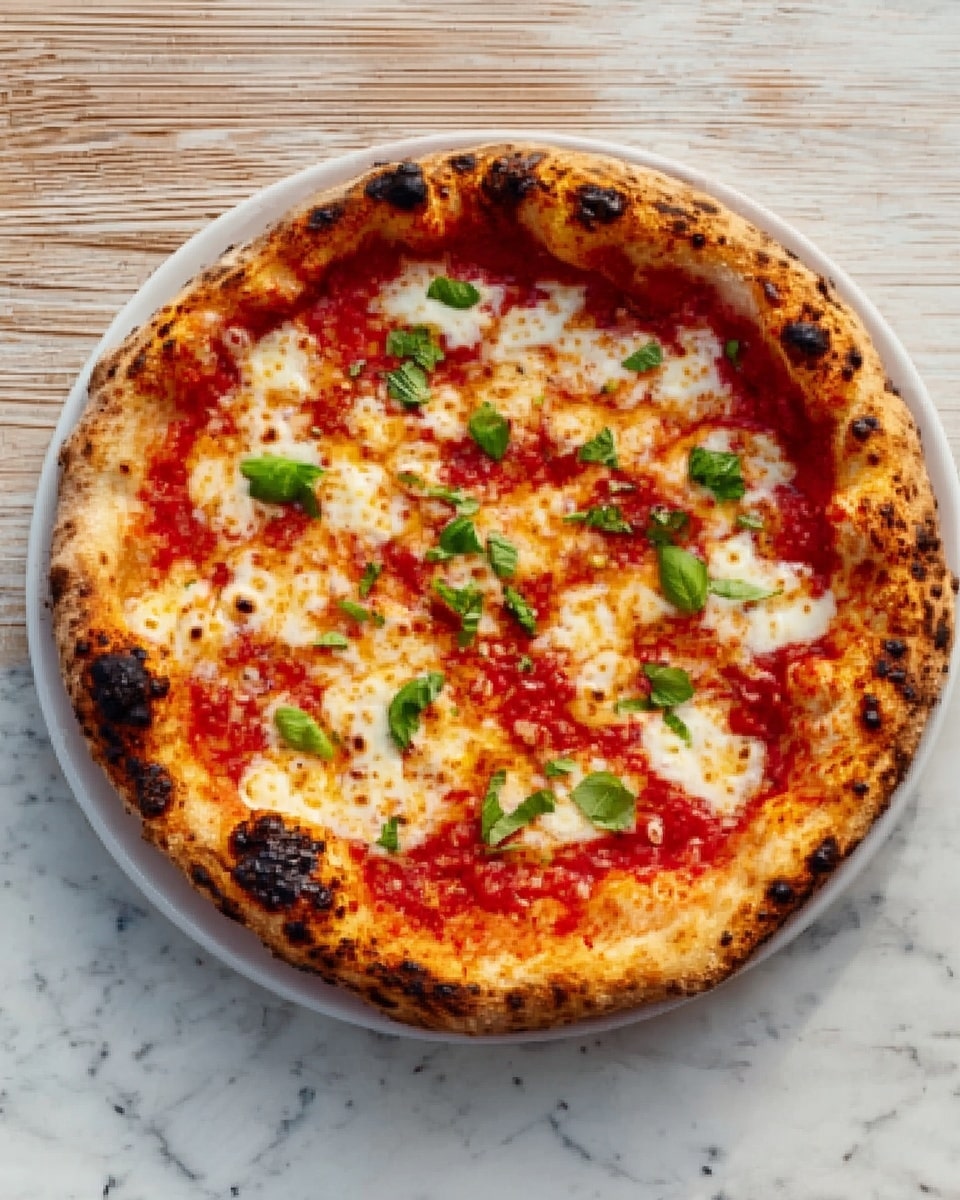
Unlock the Secret to Perfect Neapolitan Dough
There's a reason Neapolitan pizza holds a revered status in the culinary world. It's not just a dish; it's an experience – a symphony of simple, high-quality ingredients culminating in a crust that is simultaneously soft, airy, chewy, and slightly charred. While the toppings certainly play their part, the true star of any authentic Neapolitan pizza is undoubtedly its foundation: the neapolitan pizza dough. Crafting this dough is an art form, a delicate balance of science and intuition. This comprehensive guide will demystify the process, revealing the secrets to achieving that coveted, perfectly structured, and incredibly flavorful crust right in your home kitchen.
Forget everything you think you know about pizza dough. Neapolitan dough is different. It's minimalist, demanding respect for its core components and a precise understanding of the fermentation process. If you've struggled with dense crusts or dough that just won't rise, you're in the right place. We'll explore the fundamental ingredients, the critical steps of mixing and fermentation, and practical tips to elevate your pizza-making game.
The Fundamentals: Understanding Authentic Neapolitan Pizza Dough
At its heart, true neapolitan pizza dough adheres to strict guidelines set forth by the Associazione Verace Pizza Napoletana (AVPN). These standards emphasize simplicity and purity, ensuring the final product reflects centuries of tradition. The recipe calls for just four core ingredients, each playing a vital role in creating the dough's signature characteristics:
- Water: The lifeblood of the dough, responsible for hydration and activating the yeast.
- Flour: Specifically '00' flour, milled finely to create a soft, elastic dough with superior extensibility.
- Salt: Essential for flavor, strengthening the gluten network, and regulating fermentation.
- Yeast: The magical leavening agent that produces the gas needed for the dough to rise, creating air pockets and that characteristic airy texture.
The beauty of Neapolitan dough lies in this simplicity. There are no oils, no sugars, no extra fats to complicate matters. This minimalist approach forces the baker to master the interaction of these four elements, focusing on technique and patience above all else. Understanding these fundamentals is the first step toward unlocking the secret to an incredible crust.
The Magic of Ingredients: Quality Matters
While the list of ingredients is short, their quality and proper handling are paramount. Skimping on any one component can drastically alter the final product. Let's delve deeper into each.
Choosing the Right Flour: The '00' Difference
The single most important ingredient for authentic neapolitan pizza dough is undoubtedly '00' flour. This Italian-milled flour is much finer than all-purpose or bread flour, with a lower protein content (typically around 10-12%) compared to high-protein bread flours. This lower protein content, combined with its fine milling, results in a dough that is incredibly smooth, extensible, and tender, allowing for those beautiful large air pockets and characteristic blistered crust when cooked at high temperatures. Look for brands specifically labeled for pizza, such as Caputo Pizzeria or Antimo Caputo Chef's Flour. Using the wrong flour is a common pitfall that will prevent you from achieving the desired texture and flavor.
Water: More Than Just H2O
Water quality and temperature are often overlooked but are absolutely critical. Use filtered water if your tap water has a strong taste or high chlorine content, as these can negatively impact yeast activity and flavor. The temperature of the water significantly affects the dough's final temperature, which in turn dictates the speed of fermentation. A general rule of thumb is to aim for a dough temperature of around 70-75°F (21-24°C) after mixing. This might mean using cooler water in warm environments or slightly warmer water in colder kitchens. To learn more about this vital component, read our detailed guide on How Hydration Impacts Your Neapolitan Pizza Dough, which explores how adjusting water content can dramatically change your crust's texture.
Yeast: The Breath of Life
Yeast is what gives your neapolitan pizza dough its rise and contributes significantly to its flavor profile. Both fresh yeast (also known as cake yeast or compressed yeast) and active dry yeast can be used, though fresh yeast is often preferred by purists for its subtle flavor. If using fresh yeast, use about 1/3 the amount of active dry yeast. The key is to use a very small amount of yeast, especially for longer fermentation times. This slow, cold fermentation allows for complex flavors to develop, rather than just a quick rise. Always ensure your yeast is fresh and active before adding it to your mix.
Salt: Flavor and Structure
Salt does more than just season the dough; it plays a crucial role in regulating yeast activity, slowing down fermentation, and strengthening the gluten network. This helps the dough maintain its structure and prevents it from becoming overly sticky. Use fine sea salt or kosher salt, dissolving it in the water before adding the flour. Avoid iodized table salt, as it can sometimes impart an off-flavor and hinder yeast activity.
Mastering the Process: From Mix to Fermentation
With quality ingredients in hand, the next step is mastering the process. This involves careful mixing, patient fermentation, and gentle handling.
Mixing Techniques: Developing the Gluten
The goal of mixing is to fully hydrate the flour and develop the gluten network, which provides the dough's elasticity and structure. You can mix by hand or using a stand mixer with a dough hook. Start by dissolving the salt and a tiny amount of yeast in the water. Gradually add the '00' flour, mixing until a shaggy dough forms. Continue to knead until the dough is smooth, elastic, and passes the "windowpane test" – meaning you can stretch a small piece thin enough to see light through it without tearing. This usually takes about 10-15 minutes by hand or 7-10 minutes in a mixer on low speed.
First Fermentation (Bulk Proof): The Flavor Builder
Once mixed, the dough undergoes its first rise, known as bulk fermentation. This is where most of the flavor development happens. Place the dough in a lightly oiled bowl, cover it tightly, and let it ferment at room temperature (ideally 68-72°F / 20-22°C) for 1-2 hours, or until it has noticeably increased in volume. For superior flavor and texture, many pizzaiolos opt for a cold bulk fermentation in the refrigerator for 24-48 hours. This slow fermentation allows enzymes to break down starches into sugars, leading to a more complex flavor and better browning.
Balling the Dough: Creating Tension
After the first fermentation, it's time to divide and ball the dough. Gently turn the dough out onto a lightly floured surface. Using a dough cutter or bench scraper, divide the dough into individual balls (typically 200-280g for a 12-inch pizza). The key here is to create tension on the surface of each ball without degassing it too much. Gently fold the edges of each piece towards the center, then flip it over and use the palm of your hand to rotate it against the counter, creating a smooth, taut surface. This tension is crucial for a good rise in the oven.
Second Fermentation (Proofing the Balls): The Final Rise
Place the balled dough in individual proofing containers or on a lightly floured tray, ensuring they have enough space to expand without touching. Cover them loosely with plastic wrap or a damp cloth to prevent drying out. This second proof, usually at room temperature for 4-8 hours (depending on ambient temperature and initial fermentation time), allows the dough balls to relax and develop the final structure needed for an airy, open crumb. The dough should be light, puffy, and very soft to the touch. This stage is critical for achieving that signature Neapolitan lightness and chew. For more detailed insights into achieving the perfect rise and crust texture, be sure to check out our article: Neapolitan Pizza Dough: Tips for an Airy, Chewy Crust.
Troubleshooting Common Neapolitan Pizza Dough Problems
Even seasoned pizzaiolos encounter issues. Here are some common problems and their solutions:
- Dough is too sticky: This could be due to too much hydration, insufficient kneading, or over-fermentation. Try reducing water slightly next time or kneading for a few more minutes. A light dusting of flour on your hands and surface can also help.
- Dough is too stiff or hard to stretch: This often indicates under-hydration, too much flour, or insufficient proofing time. Ensure your water-to-flour ratio is correct, and give the dough more time to relax during its second fermentation.
- Crust is dense and heavy: Typically a sign of under-fermentation (not enough yeast activity) or over-working the dough during balling/stretching, which knocks out too much air. Allow for proper proofing times and be gentle when shaping.
- No blistering or leopard spots on the crust: While a very hot oven is essential, proper gluten development and sufficient hydration also contribute to those beautiful char marks. Ensure your flour is '00' and your dough is properly fermented.
- Dough tears easily when stretching: This usually means the gluten network isn't fully developed (under-kneaded) or the dough hasn't relaxed enough during its final proof. Give it more time or a little more gentle kneading initially.
Mastering neapolitan pizza dough is a journey, not a destination. It requires patience, attention to detail, and a willingness to learn from each batch. By understanding the role of each ingredient and the nuances of the fermentation process, you are well on your way to crafting pizzas that rival those found in the pizzerias of Naples.
