Neapolitan Pizza Dough: Tips for an Airy, Chewy Crust
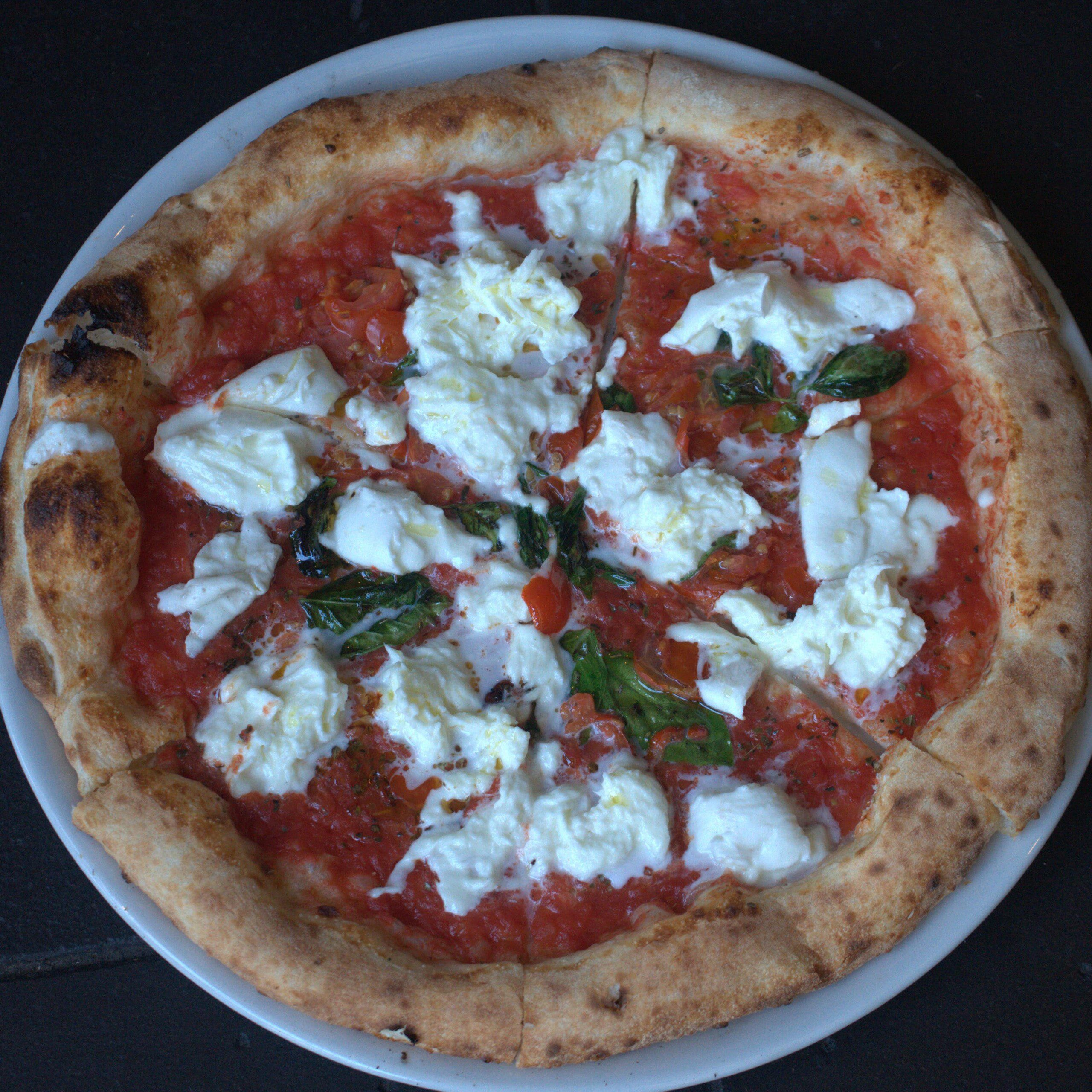
The quest for the perfect Neapolitan pizza often begins and ends with its crust. That signature airy, chewy texture, with its characteristic leopard-spotted cornicione (rim), is what elevates a simple pizza into an art form. Achieving this distinctive quality in your homemade Neapolitan pizza dough can seem daunting, but with the right knowledge and attention to detail, it’s entirely within reach. This article will guide you through the essential elements and techniques to master your `neapolitan pizza dough`, ensuring every bite delivers that authentic, satisfying experience.
The Core Ingredients of Neapolitan Pizza Dough: Simplicity is Key
At its heart, authentic `neapolitan pizza dough` is remarkably simple, relying on just four core ingredients: flour, water, salt, and yeast. However, the quality and type of each ingredient are paramount and play a significant role in developing that desired airy, chewy crust.
Flour Power: Type 00 Explained
The foundation of any great Neapolitan pizza is the flour. Traditional recipes strictly call for "Type 00" wheat flour. What makes Type 00 so special? It's milled to an incredibly fine consistency, similar to talcum powder, and has a specific protein content (typically 10-12.5%). This protein level is crucial for developing a strong, elastic gluten network without making the dough overly tough. The fine milling also contributes to a smoother dough that ferments beautifully, leading to those signature large air pockets in the crust. While other flours can be used, Type 00 remains the gold standard for achieving that true Neapolitan texture.
The Importance of Water and Hydration
Water is not just a binder; it's an active participant in the dough's development. The hydration level – the ratio of water to flour – significantly impacts the final texture. For traditional `neapolitan pizza dough`, hydration typically ranges from 55% to 65%. Higher hydration levels (e.g., 60-65%) generally result in a more open, airy crumb and a chewier crust, as more water allows for greater steam production during baking. Using cool, filtered water is often recommended to help control dough temperature during mixing and prevent premature yeast activity. If you want to dive deeper into this critical aspect, learn more about
How Hydration Impacts Your Neapolitan Pizza Dough.
Yeast and Salt: Essential Balancers
Yeast is the lifeblood of your dough, responsible for fermentation and the production of carbon dioxide, which creates those desirable air bubbles. Neapolitan recipes typically call for very small amounts of fresh brewer's yeast (lievito di birra) or active dry yeast, often less than 1% of the flour weight, especially for long, slow fermentation. This slow fermentation develops complex flavors and a more extensible dough. Salt, while seemingly minor, plays a crucial role. It enhances flavor, strengthens the gluten structure, and controls yeast activity, preventing the dough from over-fermenting too quickly. Use fine sea salt for best results.
Mastering the Dough-Making Process for Optimal Texture
Beyond the ingredients, the process of mixing, kneading, and fermenting your `neapolitan pizza dough` is where the magic truly happens, laying the groundwork for that perfect airy, chewy crust.
Mixing and Kneading Techniques: Building the Gluten Network
The goal of mixing and kneading is to develop the gluten network. Gluten, formed when water interacts with the proteins in flour, provides the dough with its elasticity and strength, allowing it to trap gases produced by yeast.
*
Initial Mix: Combine flour, water, yeast, and salt. Mix until a shaggy dough forms.
*
Kneading: This is where the work happens. Whether by hand or with a stand mixer (using a dough hook on low speed), knead the dough until it's smooth, elastic, and passes the "windowpane test" – you should be able to stretch a small piece thin enough to see light through it without tearing. This usually takes 10-20 minutes, depending on the method. Proper kneading ensures a strong gluten structure, vital for trapping air.
The Art of Bulk Fermentation (First Rise)
After kneading, the dough undergoes its first fermentation, known as bulk fermentation. This stage is critical for flavor development and texture.
*
Temperature and Time: Place the dough in a lightly oiled container, covered, and let it ferment at room temperature (around 68-72°F / 20-22°C) for several hours (2-8 hours is common, depending on yeast amount and temperature). Alternatively, for deeper flavor and improved extensibility, a cold fermentation in the refrigerator for 24-72 hours is highly recommended. The slow fermentation allows enzymes to break down starches, creating more complex sugars and a more tender, flavorful crust.
*
Folding: Some recipes incorporate "stretch and folds" during bulk fermentation. This technique gently strengthens the gluten without intensive kneading and helps redistribute yeast and nutrients.
Portioning and Second Fermentation (Proofing)
Once bulk fermentation is complete, it's time to portion the dough into individual balls (known as "staglio"). Each ball should be between 200-280 grams for a standard 10-12 inch pizza.
*
Shaping: Gently shape each portion into a tight ball, ensuring a smooth, taut surface. Avoid degassing the dough too much.
*
Proofing: Place the dough balls in individual proofing boxes or on a lightly floured tray, covered, and let them proof at room temperature for another 4-8 hours. This second fermentation (or "proofing") allows the individual dough balls to relax, become more extensible, and develop their final airy structure. They should feel light and puffy but still have some spring when gently pressed. For a comprehensive guide to perfecting your dough, read our article:
Unlock the Secret to Perfect Neapolitan Dough.
Key Factors for an Airy, Chewy Neapolitan Crust
Beyond the basic process, several nuanced factors critically influence the airiness and chewiness of your `neapolitan pizza dough`.
Hydration Levels: Finding Your Sweet Spot
As mentioned earlier, hydration is key. While 55-65% is standard, experimenting within this range can help you achieve your preferred texture. Higher hydration (closer to 65%) generally leads to a more open, irregular crumb with larger air pockets and a chewier texture. However, it also makes the dough stickier and harder to handle. Lower hydration (closer to 55-58%) results in a slightly denser crumb and easier handling. Find the balance that works for your flour, environment, and desired outcome.
Temperature Control: The Unsung Hero
Temperature control throughout the entire process is often overlooked but incredibly important.
*
Water Temperature: Use cool water (45-55°F / 7-13°C) to prevent the dough from getting too warm during kneading, which can lead to rapid, undesirable fermentation.
*
Dough Temperature: Aim for a final dough temperature after kneading of around 75-78°F (24-26°C). This ensures optimal yeast activity.
*
Fermentation Temperature: Consistent room temperature for fermentation is ideal. Fluctuations can lead to unpredictable results. Cold fermentation provides more control and deeper flavor.
Proper Stretching and Handling
The way you handle your proofed dough ball dramatically impacts the final crust. Aggressive handling or using a rolling pin will knock out too much precious gas, resulting in a dense, flat crust.
*
Gentle Touch: Work on a lightly floured surface. Start from the center and gently push the air towards the edges, creating a distinct, airy rim (cornicione).
*
Hand Stretching: Use your fingers and the weight of the dough to stretch it into a round shape. Avoid pressing down on the rim. The goal is to preserve as much of the trapped gas as possible to ensure that glorious airy structure.
Baking Your Neapolitan Masterpiece
Once your `neapolitan pizza dough` is perfectly stretched and topped, the final step is baking. Neapolitan pizza demands extremely high temperatures – ideally 800-900°F (425-480°C) – for a very short duration (60-90 seconds). This intense heat causes a rapid expansion of gases in the dough, creating the characteristic large air pockets and puffing up the cornicione. A pizza oven (wood-fired or gas-powered) is ideal, but a preheated pizza stone or steel in a conventional oven set to its highest temperature can yield excellent results, though perhaps not quite as extreme. The fast bake locks in moisture, ensuring the crust remains tender and chewy on the inside while developing those beautiful char spots on the outside.
Conclusion
Crafting the ideal Neapolitan pizza dough – one that delivers an airy, chewy crust with delightful flavor – is a journey of precision, patience, and passion. From selecting the right Type 00 flour and controlling hydration to mastering the kneading process and allowing for long, slow fermentation, every step contributes to the final texture. By understanding the science behind the ingredients and the importance of gentle handling, you can consistently produce pizzas that transport you to the pizzerias of Naples. Practice makes perfect, so don't be afraid to experiment and fine-tune your approach to truly unlock the magic of `neapolitan pizza dough`.